
Avonbeg River Trail: Valley Floor Walk
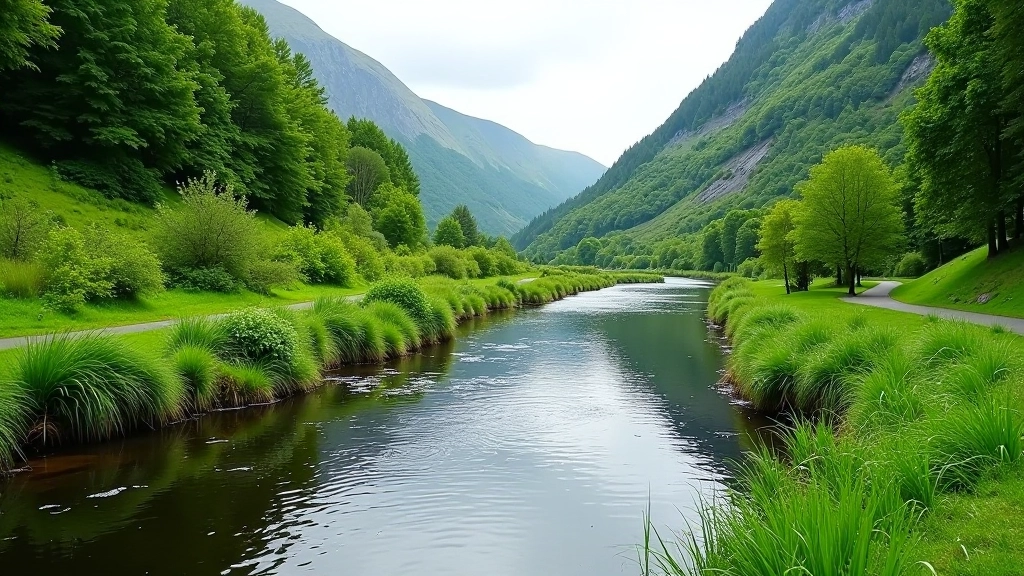
Follow the river along the valley floor. It's flat, shaded, and you'll spot native plants and birds. Perfectly paced for a relaxed morning stroll.
A Walk Along the Water
The Avonbeg River Trail isn't about reaching summits or pushing your pace. It's about spending time in one of Wicklow's most serene valleys, where the river does most of the work. You'll walk roughly 4.5 kilometres on terrain that stays mostly flat and well-defined.
What we really like about this trail is how straightforward it is. There's no confusing junctions or steep scrambles. The path runs alongside the Avonbeg River for most of the route, which means you're never lost—just follow the water. Most people take about two hours at an easy pace, but there's no rush. Stop whenever something catches your eye.
Distance
4.5 km
Duration
2 hours
Elevation
Minimal
Best Season
Spring–Autumn
The Route and Terrain
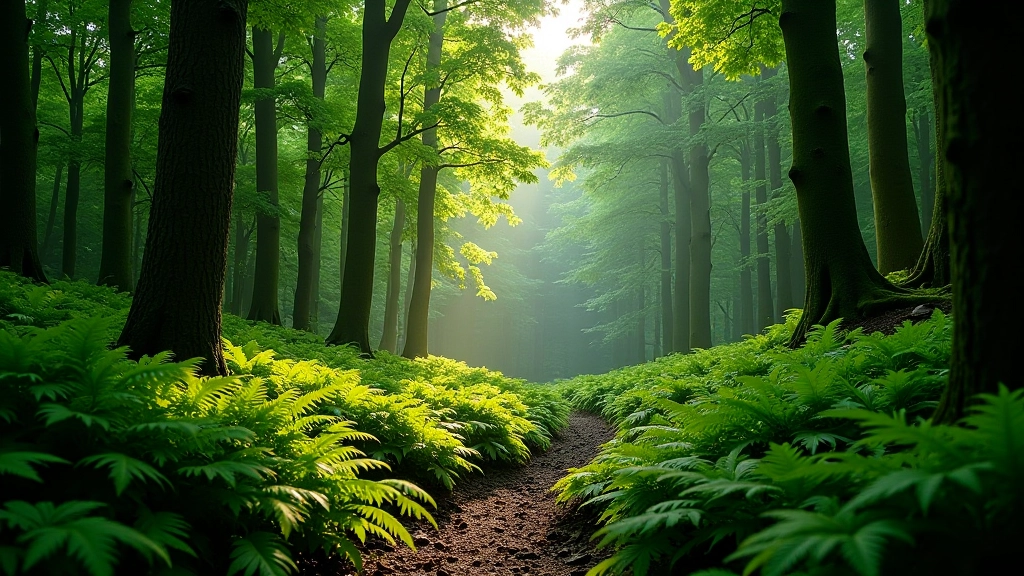
The trail starts near the Avonbeg Bridge and heads downstream into the valley. You're walking on a mix of grassy paths and compacted earth. The ground stays firm even after rain because the valley floor drains well. There's a mix of woodland and open sections, so you're never in deep shade for long.
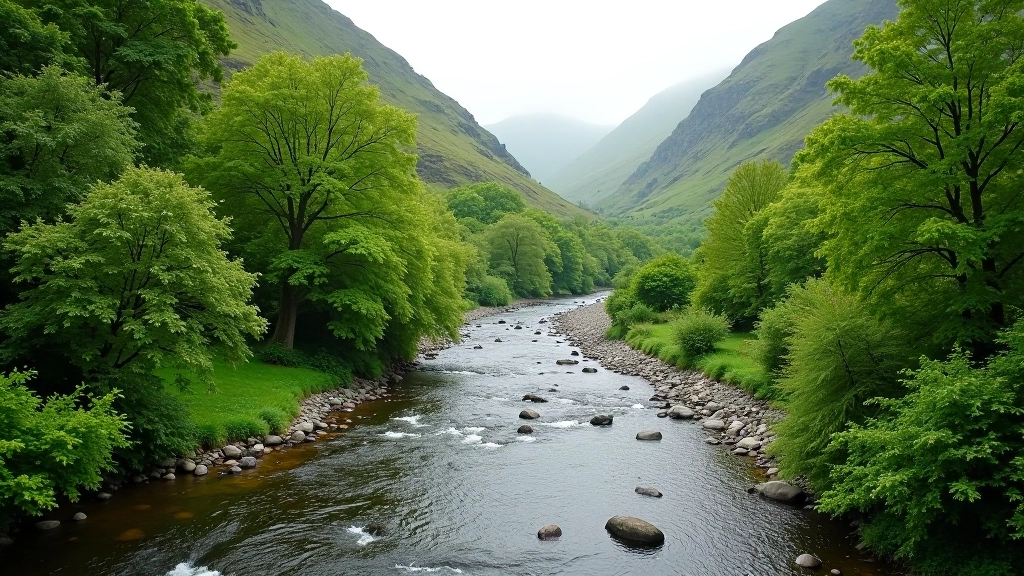
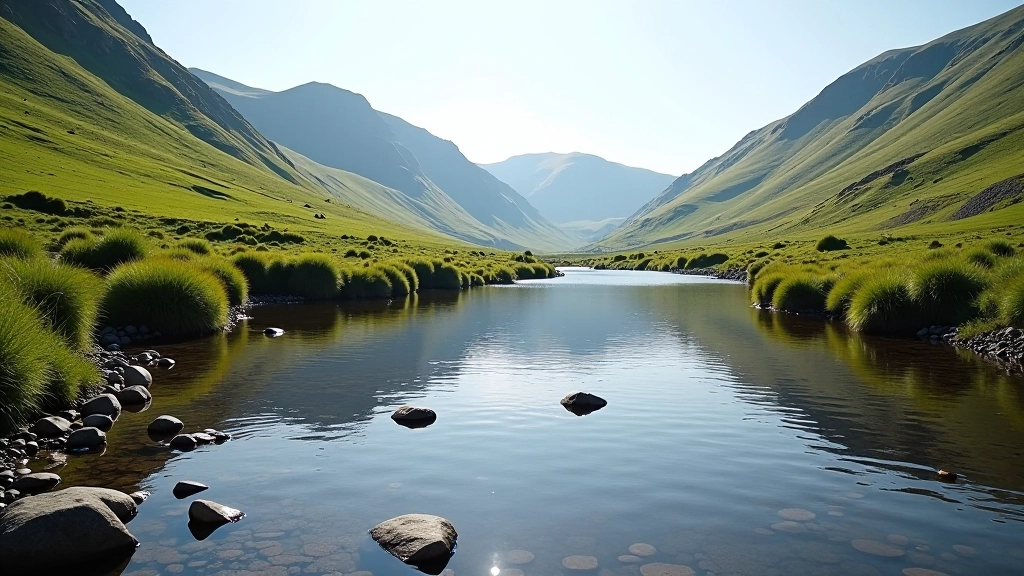
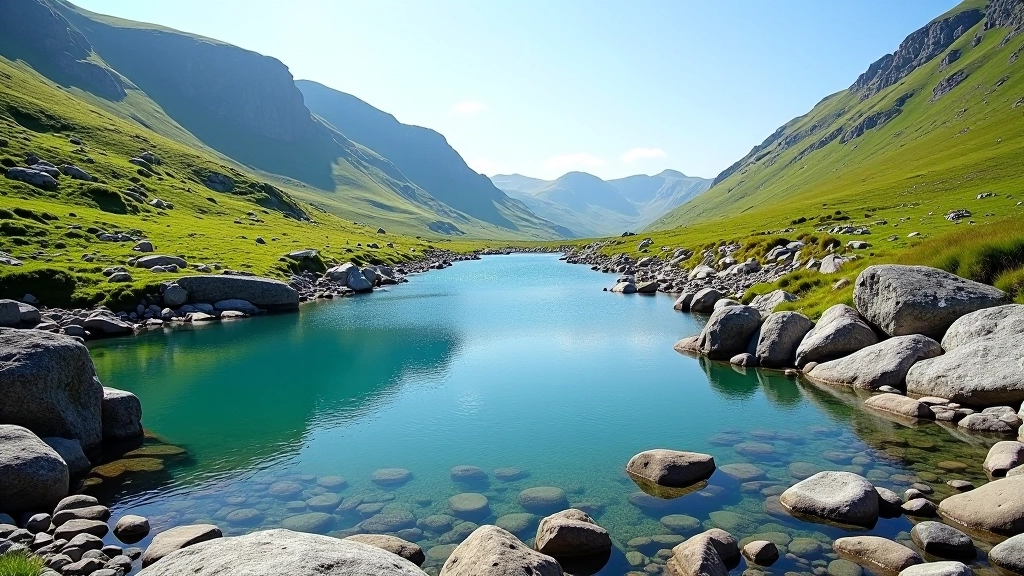
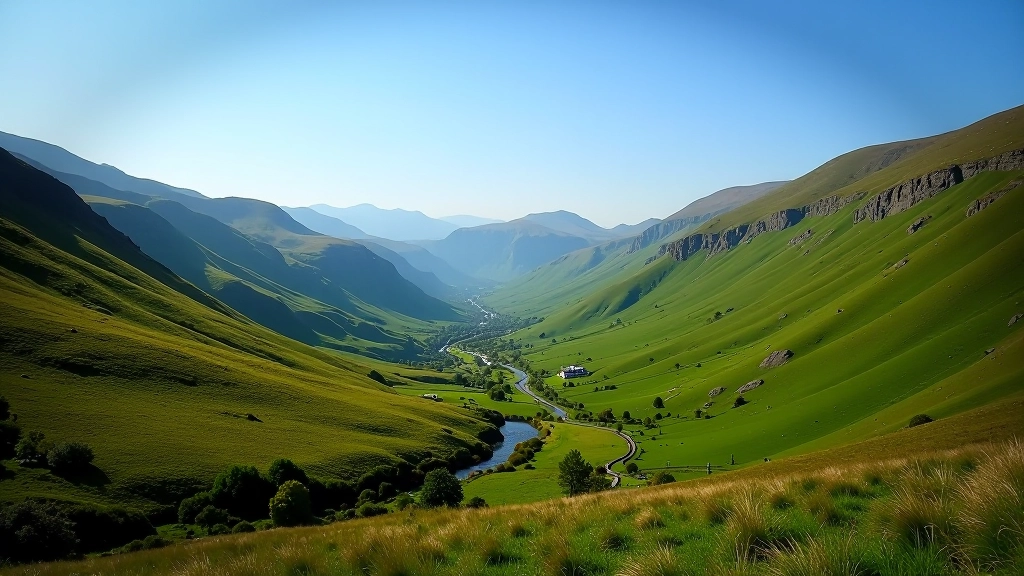
Around the halfway point (roughly 2.2 km in), the valley opens up and you'll see Glenmalure's upper slopes rising on either side. It's genuinely stunning. The river gets wider here too, and there are several spots where you can safely step down to the water's edge if you want to rest and listen to it. Don't rush this part—it's why you came.
The walk's straightforward nature makes it ideal if you're recovering from injury, managing arthritis, or just prefer to avoid steep scrambles. There's nothing technical about it. But don't mistake "easy" for "boring"—the landscape has real character, and if you're patient, you'll see red squirrels, dippers in the water, and various native plants you won't spot on busier trails.
What You'll See and Experience
The Avonbeg Valley is genuinely alive. In spring, the riverside is covered in wild garlic (ransoms), and the banks explode with bluebells. Summer brings out the dragonflies and damselflies over the water. Autumn gives you those rich greens and golds reflected in the river pools.
Birdwatchers will want to bring binoculars. Dippers are common along this stretch—you'll recognize them by their bobbing movements on the rocks. Grey wagtails flash along the shallows. If you're lucky, you might spot a kingfisher, though they're shy. Buzzards hunt the open moorland above the valley.
The quiet is probably the best part. You're not in a tourist hotspot here. Most visitors stick to the higher routes, which means you've got space to actually think. The sound of the river becomes almost hypnotic. There's something genuinely restorative about walking a trail where the main attraction isn't the view from the top—it's the experience of being in a wild place.
Before You Go
This guide is informational and based on typical conditions. Trail conditions vary seasonally and after heavy weather. The Avonbeg River can swell significantly after rain—always check water levels before crossing any ford sections. Wear appropriate footwear with grip, bring water and snacks, and let someone know your plan. If you have mobility concerns, heart conditions, or other health considerations, consult your GP before undertaking any trail. Mobile signal can be unreliable in the valley, so plan accordingly.
Practical Details That Matter
Getting There
The easiest access is from Avonbeg village. Park near the bridge and follow the river downstream. There's a small car park that fits about 6-8 cars. If it's full, there's roadside parking nearby. It's about 45 minutes from Dublin city centre if you're driving.
What to Bring
Good walking shoes with proper grip (the ground can be muddy), a waterproof jacket even if the forecast looks fine, water, energy snacks, and a basic first-aid kit. A camera or binoculars are nice additions if you're interested in wildlife. Sunscreen too—the open sections get direct exposure.
Best Time to Visit
May through September offers the most reliable weather and fullest landscape colours. Winter's possible but the valley can get waterlogged. Avoid immediately after heavy rain when the river is high and the paths muddy. Early morning visits (before 10 am) give you the best light and solitude.
Accessibility Notes
The terrain is flat but can be muddy and uneven. Walking poles are genuinely helpful here, not just nice-to-have. The path isn't wheelchair-accessible due to natural terrain. If you've got mobility limitations, this route is still manageable—just plan extra time and consider walking poles as essential gear.
Why This Trail Works for Steady Walkers
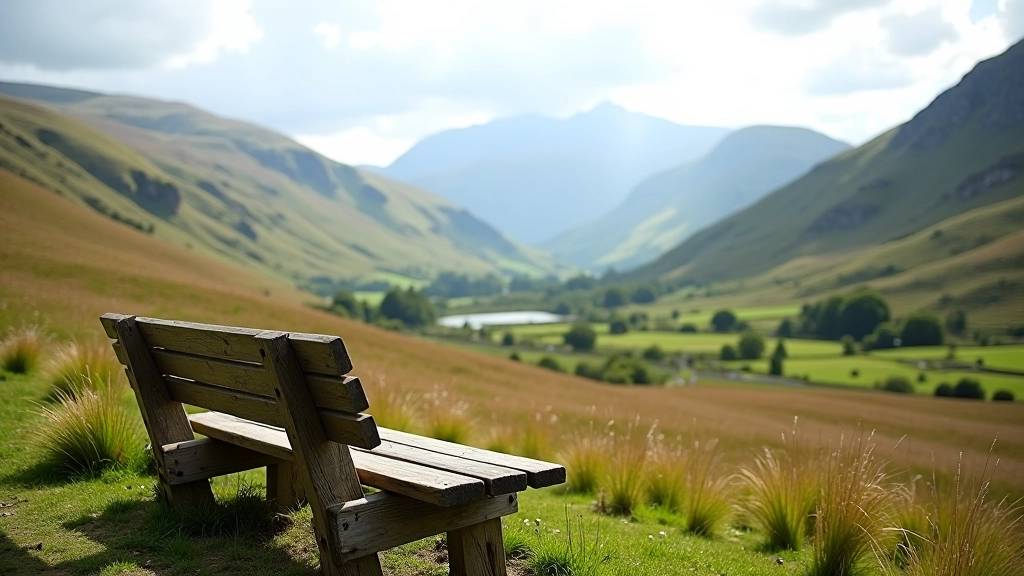
You don't need to be young and athletic to enjoy the Avonbeg River Trail. It's been designed by nature to be accessible. The gradient never gets steep. There are natural resting spots (rocks, fallen logs, flat ground) roughly every 15–20 minutes of walking if you need them. The river provides constant orientation, so you can't really get lost.
What makes it special is the balance between structure and freedom. You've got a clear route to follow, but you're not on a manicured path. You're actually walking in a valley, not along a park trail. The wildlife, the changing light, the sound of water—these things remind you why you wanted to get outside in the first place.
We've walked this with people aged 9 to 82. The kids love scrambling at the water's edge. The older walkers appreciate the steady pace and the chance to stop without feeling rushed. It's genuinely inclusive in the way good trails should be.

Related Walks in Wicklow
Ready for Your Next Walk?
The Avonbeg River Trail is waiting. Start early, bring water, and take your time. You'll understand why this valley matters to so many people who love walking.