Corrie Lake Walk: A Gentle Glacial Valley Trail
Explore the stunning corrie lake without steep climbs. This route takes you through ancient glacial valleys with breathtaking views. Most people complete it in under an hour.
Why Corrie Lake?
If you're looking for a walk that doesn't require climbing hundreds of meters but still delivers incredible views, you'll find it here. The Corrie Lake route is one of Wicklow's best-kept secrets — it's genuinely flat, well-defined, and packed with geological interest that'll make the whole experience feel more special.
This isn't a challenging mountain expedition. It's a thoughtful walk through a glacial valley where ice carved the landscape thousands of years ago. You'll see evidence of that ancient geology everywhere — the U-shaped valley, the rocky corrie basin, the way the water sits perfectly in its frozen-era container.
At a Glance
- Distance: 3.2 km return
- Duration: 50 minutes to 1 hour
- Elevation gain: Minimal (under 100m)
- Surface: Mix of paths and grassland
- Best for: Everyone, including families and older walkers
Getting There and Starting Out
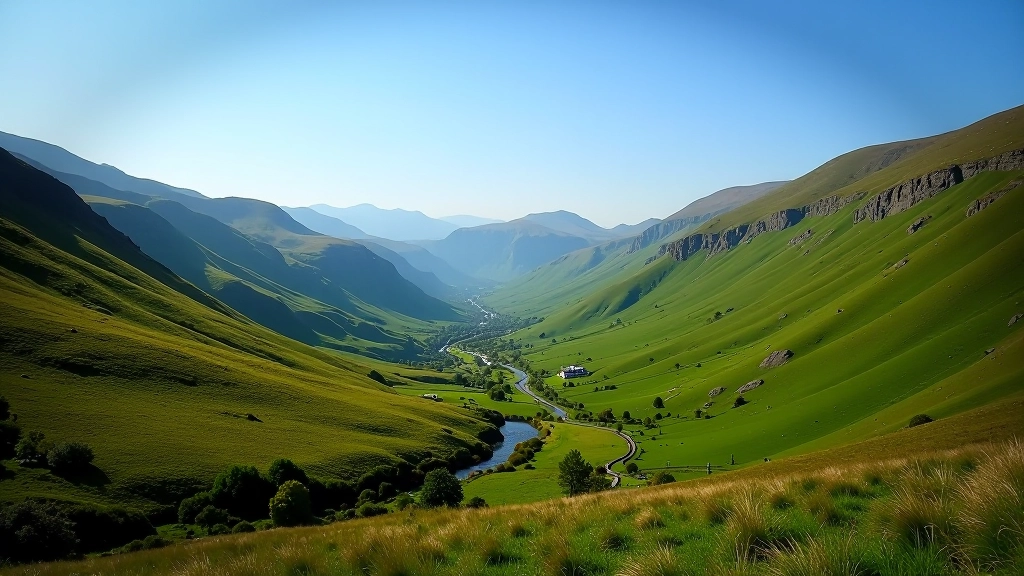
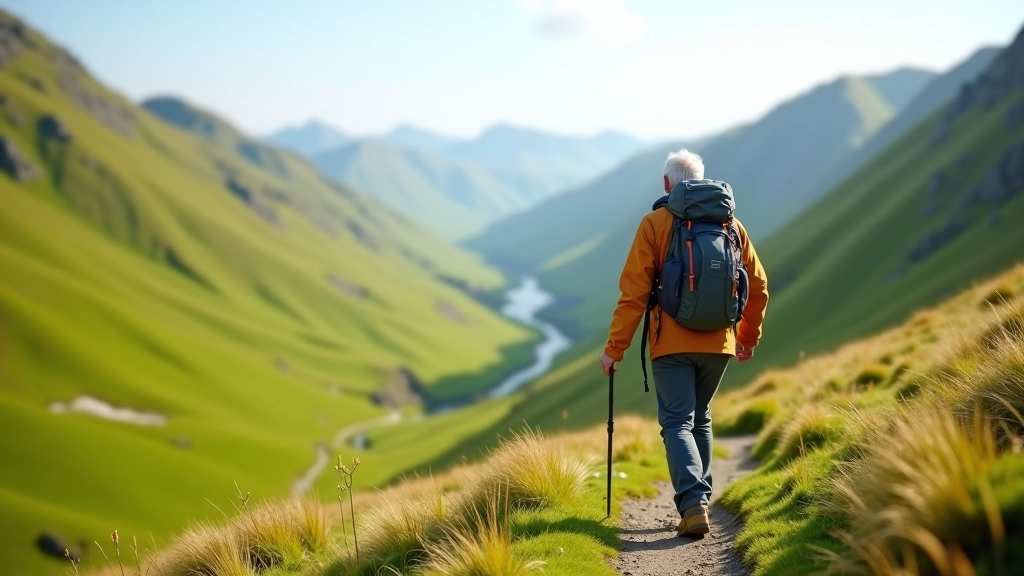
The trailhead sits near the Glenmalure Lodge, a small parking area that's easy to find. You'll arrive and immediately notice how the valley opens up around you — steep sides, green slopes, and a feeling of being properly tucked into the landscape. It's not dramatic in a sharp way, but it's undeniably impressive.
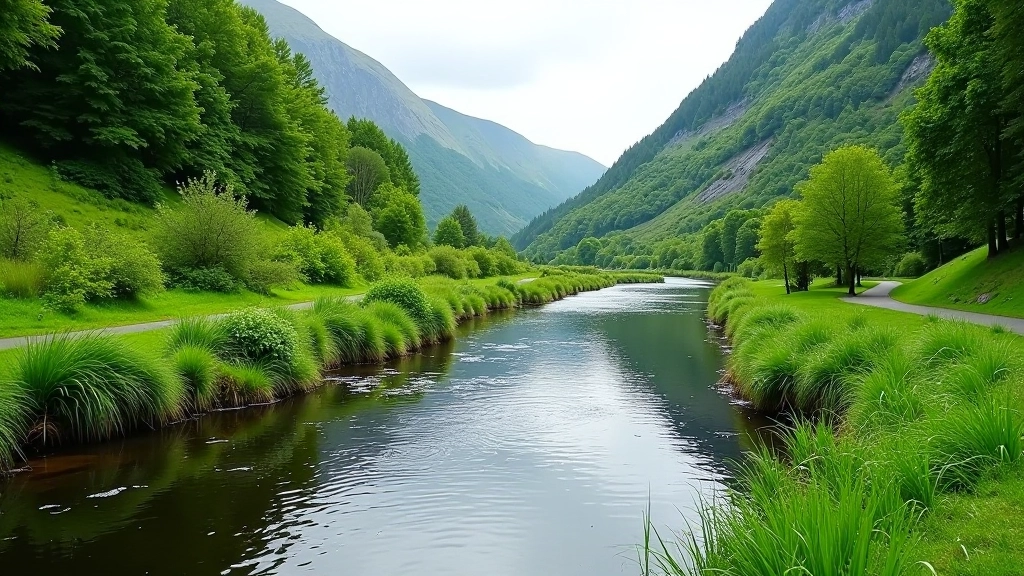
From the car park, you'll head onto a clear track that's been walked by thousands of people before you. The path is firm underfoot most of the time, though it can be boggy after heavy rain. Don't let that put you off — it's nothing like the squelchy mess of some Irish bog walks. You're on solid ground, just with the occasional wet patch.
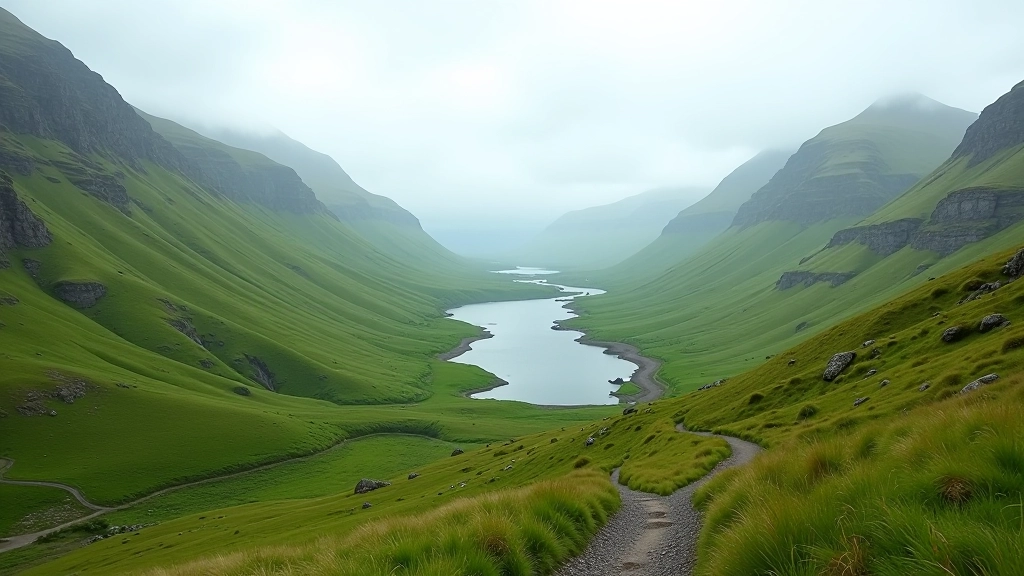
Within the first 10 minutes, you'll notice the valley sides rising steeply on either side. This is classic glacial valley architecture — the glacier that carved this space was hundreds of meters thick and wide, and it smoothed everything into these gentle, U-shaped slopes. On a clear day, you can trace the old glacial surface by eye.
The Corrie Lake Basin
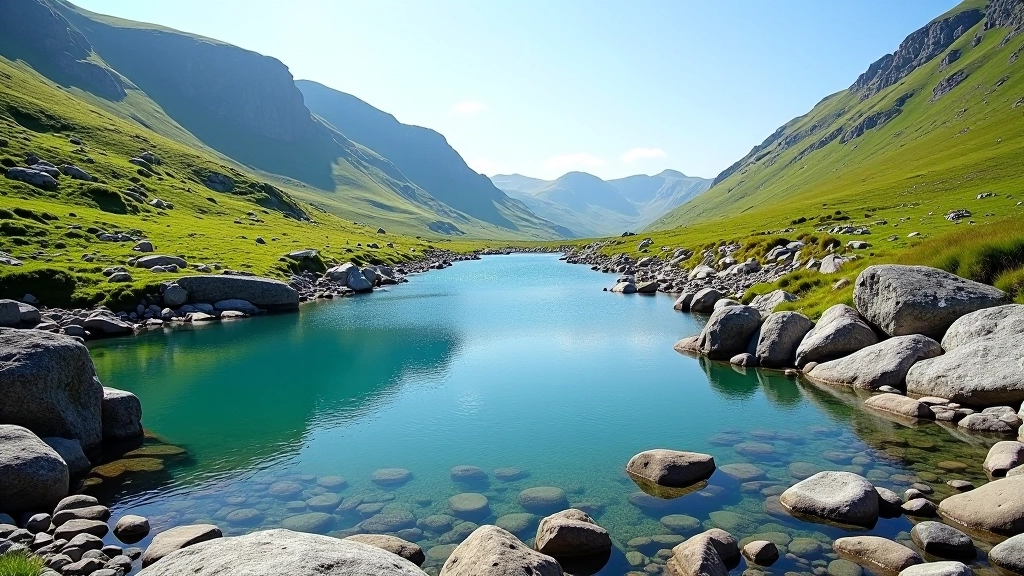
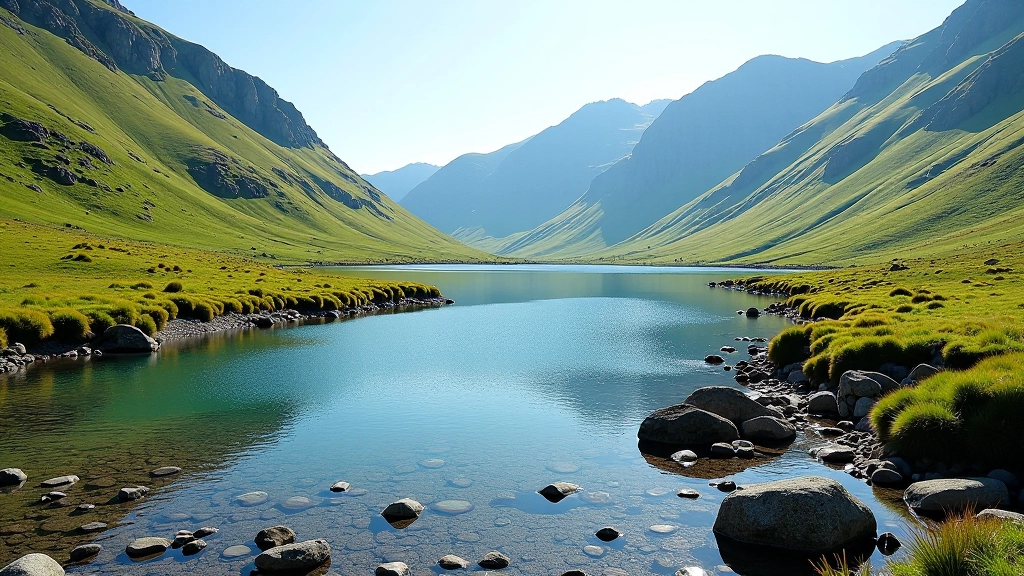
After about 30 minutes of steady walking, the landscape shifts. The path approaches the actual lake basin — this is the corrie itself. You're looking at a perfect amphitheater of rock and earth where ice once sat. The lake fills the bottom like it was designed to fit precisely, which it was. This is how glacial geology works.
The water's clarity is remarkable. On calm days, you'll see right through it. The color shifts between grey-blue and dark green depending on light and angle. It's not a massive lake — maybe 200 meters across — but that's part of its appeal. It feels intimate, not overwhelming. You're not standing in front of some vast alpine expanse. You're in a pocket of mountain landscape.
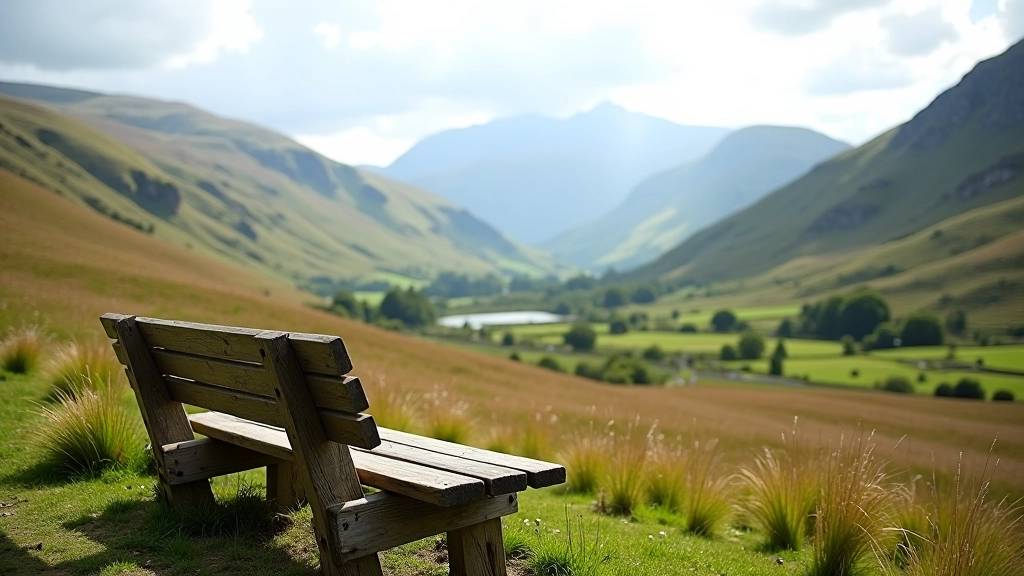
There's a flat grassy area right at the lake edge where most walkers stop. It's ideal for a rest, a snack, or just sitting quietly for 10 minutes. We've never seen it crowded, even on weekends. That's genuinely unusual for Irish walking destinations.
Weather and Safety Note
This route is genuinely beginner-friendly, but Irish mountain weather changes fast. We recommend checking conditions before you go and bringing layers even if it's sunny when you leave home. The valley offers some wind shelter, but the exposed areas can feel cold and wet unexpectedly. Sturdy walking shoes with decent grip matter more than fancy equipment — you're not scrambling, just walking on natural terrain.
What Makes This Walk Special
Three things set Corrie Lake apart from dozens of other Wicklow walks. First, the geology is genuinely interesting. You're not just looking at pretty mountains — you're walking through evidence of ice age processes. The corrie itself is a textbook example of glacial erosion. If you're curious about how landscapes form, this walk teaches you something real.
Second, it's accessible without being boring. Yes, there's minimal elevation gain, but the walk still feels purposeful. You're going somewhere specific — that lake basin — and you arrive with a sense of completion. You haven't just wandered; you've walked a proper route with a destination.
Third, it's quiet. Most visitors to Wicklow hit the honeypots — Powerscourt Waterfall, Glendalough, the Sally Gap. Corrie Lake gets steady foot traffic but never feels crowded. You'll meet other walkers, but not crowds. That matters when you're trying to actually experience a place rather than just photograph it.
Practical Details You'll Actually Use
Getting There
Drive to Glenmalure Lodge car park. It's signposted from the main Wicklow Valley road. GPS coordinates are easy to find online. The car park's small but rarely full. There's no fee. The location is about 45 minutes from Dublin city center depending on traffic.
What to Bring
Water bottle (the walk's too short to really need supplies, but staying hydrated matters). Waterproof jacket — essential. Good walking shoes with ankle support. A small snack if you want one. Nothing else is necessary. Don't overpack for a 50-minute walk.
Best Times to Go
Summer months (June to August) offer the longest daylight and warmest weather, though it's still cool at altitude. Spring and autumn are beautiful with fewer visitors. Winter's doable but requires extra caution on potentially icy sections. Avoid immediately after heavy rain — the path gets boggy and muddy.
Photography Tips
The light's best in early morning or late afternoon when the sun hits the valley sides at an angle. Midday sun can wash out colors. Bring a phone or camera — the views are worth capturing. The lake's reflection on calm days is genuinely photogenic without any filter.
Why Older Walkers Love This Route
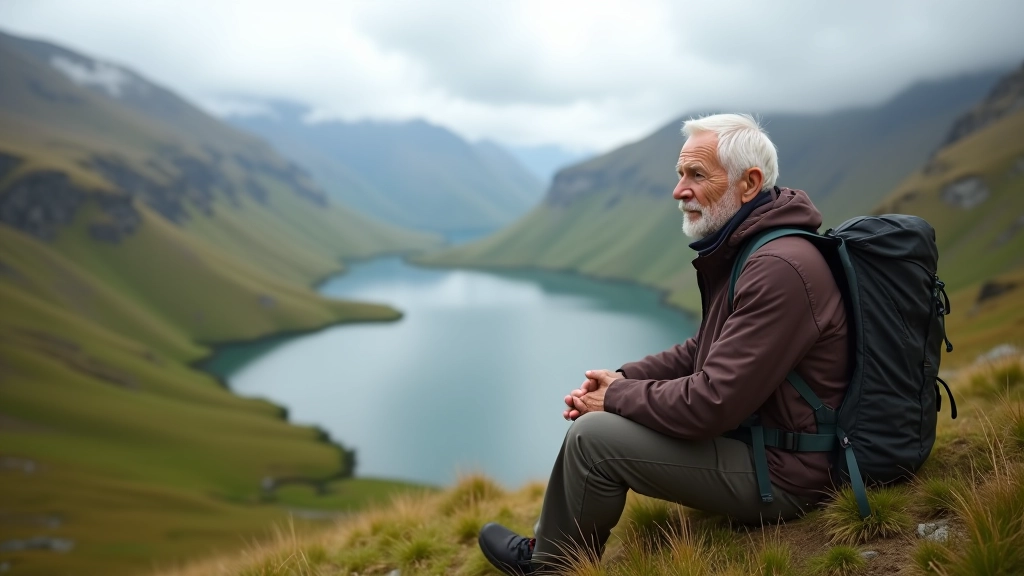
If you're in your 60s, 70s, or beyond, this walk doesn't demand anything your body can't deliver. There's no scrambling, no steep climbing, no exposure on narrow ridges. You're walking on natural ground at a pace you control completely. Most people take 50 minutes to an hour, but there's no rush. Take two hours if you want — the path doesn't care.
The psychological element matters too. You arrive at a proper destination. You've completed something real. It's not a circular stroll around a village green — it's a mountain walk that delivers views and geological interest. That sense of achievement carries genuine weight, even when the physical effort's been modest.
Joint impact is minimal. You're not pounding down steep terrain that jars your knees. The ground's relatively soft and forgiving. People with mobility concerns find this manageable. Companions can chat the whole way without huffing and puffing. It's one of those walks where you can actually talk and walk at the same time.
The Walk Worth Taking
Corrie Lake isn't famous because it doesn't need to be. It's there for people who want a genuine walk without unnecessary difficulty. You'll see geology written into the landscape. You'll walk through a valley shaped by forces that worked at scales humans struggle to imagine. You'll arrive at a lake that's sat in the same basin since ice melted 10,000 years ago.
And you'll do all of this in under an hour, on a path that never gets steep, with views that genuinely take your breath away.
That's not just accessible hiking. That's good hiking, full stop.