Best Rest Stops and Scenic Spots on Easy Wicklow Trails
We've mapped out the most comfortable rest spots along popular routes. Benches, shelter, views, and peaceful places to catch your breath. No surprises — just good planning so you can enjoy the walk.
Planning Makes All the Difference
When you're walking in the mountains, knowing where you can rest properly changes everything. It's not just about sitting down — it's about finding places with shelter, views worth pausing for, and enough space to catch your breath without feeling rushed.
We've spent years hiking these trails and talking to walkers of all ages. The routes around Wicklow — Glenmalure, Avonbeg, the corrie lakes — they're accessible, but you need to know where the good stops are. That's what this guide covers. No guessing. No scrambling to find a decent spot when your legs are tired.
What Makes a Good Rest Stop?
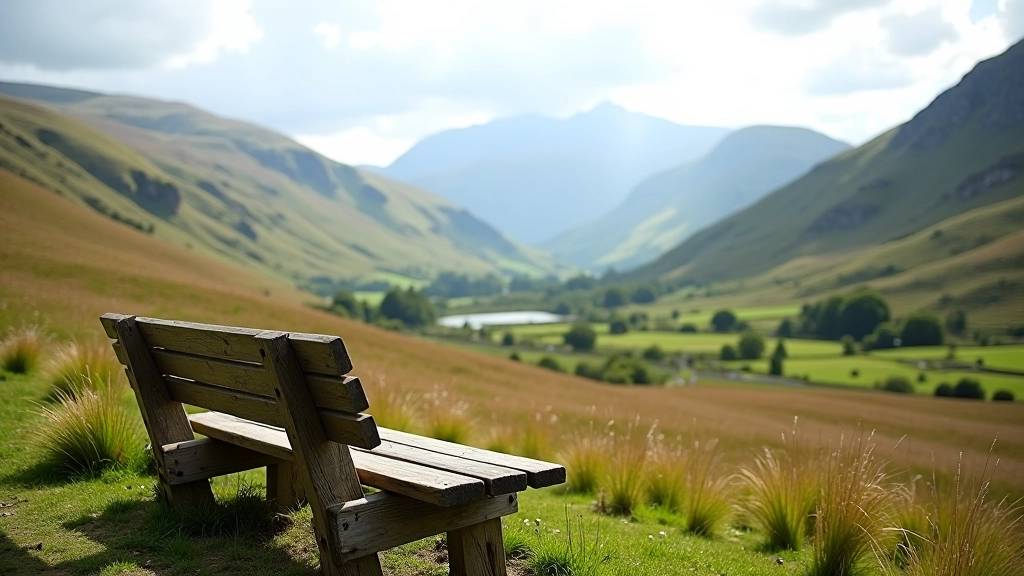
- A bench or flat rock you can actually sit on
- Protection from wind and rain if weather turns
- Views that make the pause worthwhile
- Water access or nearby stream
- Room to move without disturbing others
Glenmalure Valley: The Best Sheltered Stops
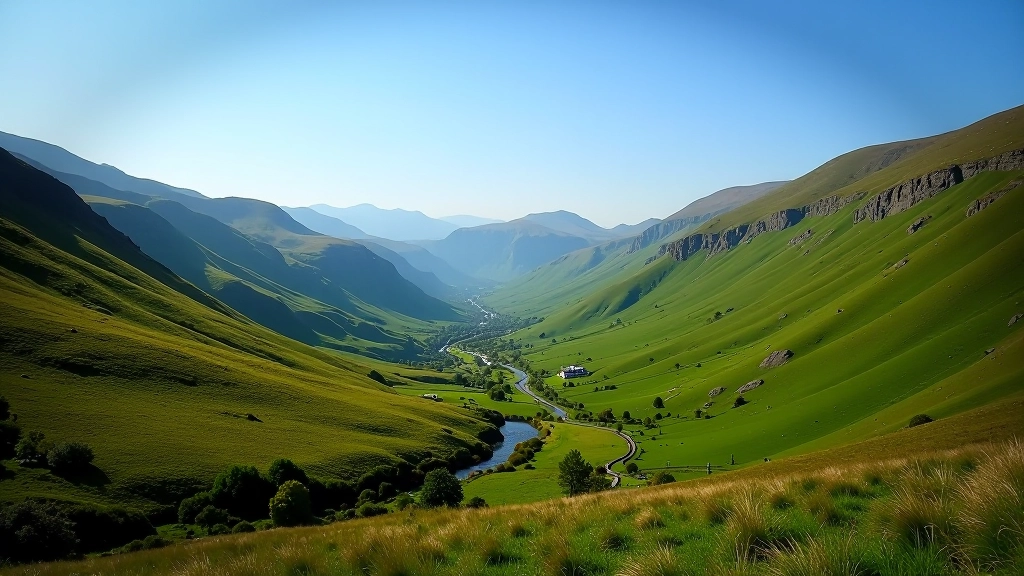
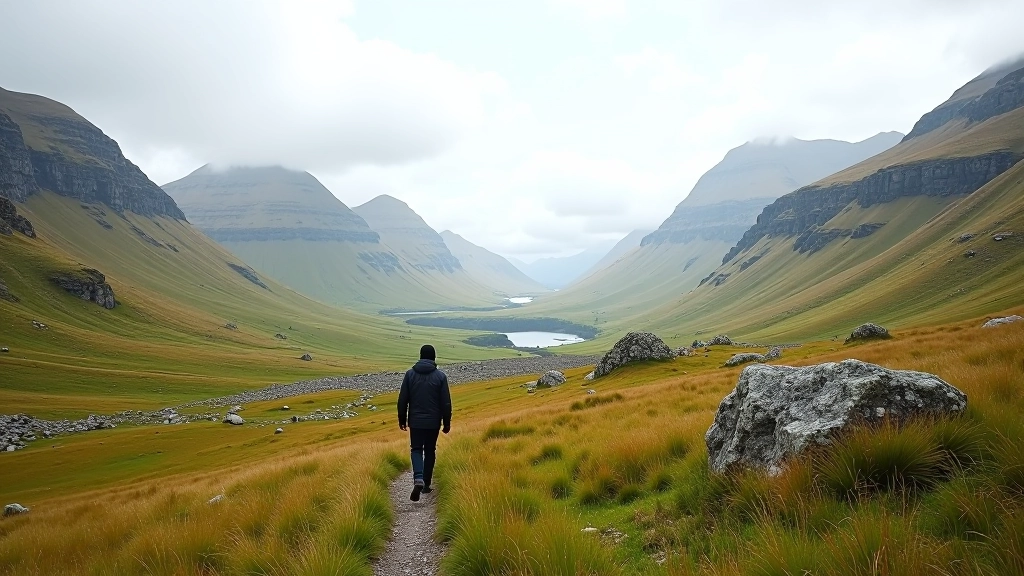
Glenmalure's valley floor is relatively flat, which means you've got options for where to stop. The river runs alongside most routes, so you're never far from water if you need to refill.
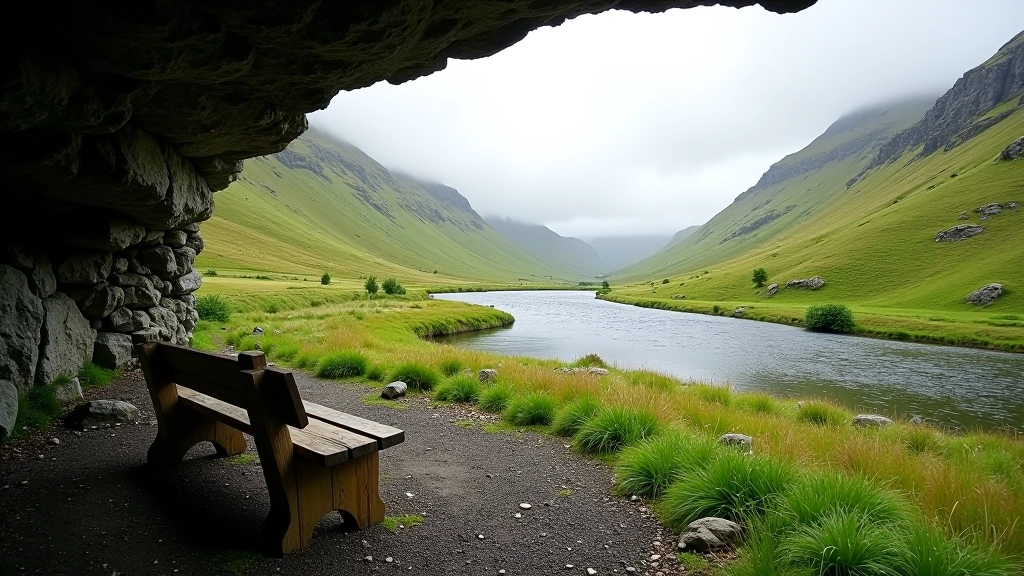
About 4km from the car park, there's a wooden shelter — it's nothing fancy, but it's genuinely helpful when weather changes quickly. We've seen groups of four or five people sitting there comfortably. The spot has views back down the valley, so you're looking at something beautiful while you rest, not staring at trees.
Further along, past the bridge crossing the main river, there's a natural rock formation that creates a sheltered area. It's not a marked stop, but experienced walkers know about it. The ground's dry even after rain because of how the rocks slope. You can sit for 15-20 minutes here without feeling exposed to wind.
Timing Tip:
Stop here around the 1.5-hour mark if you're doing the full loop. You'll have roughly the same distance back, and it breaks the walk nicely.
Avonbeg River: Peaceful Waterside Spots
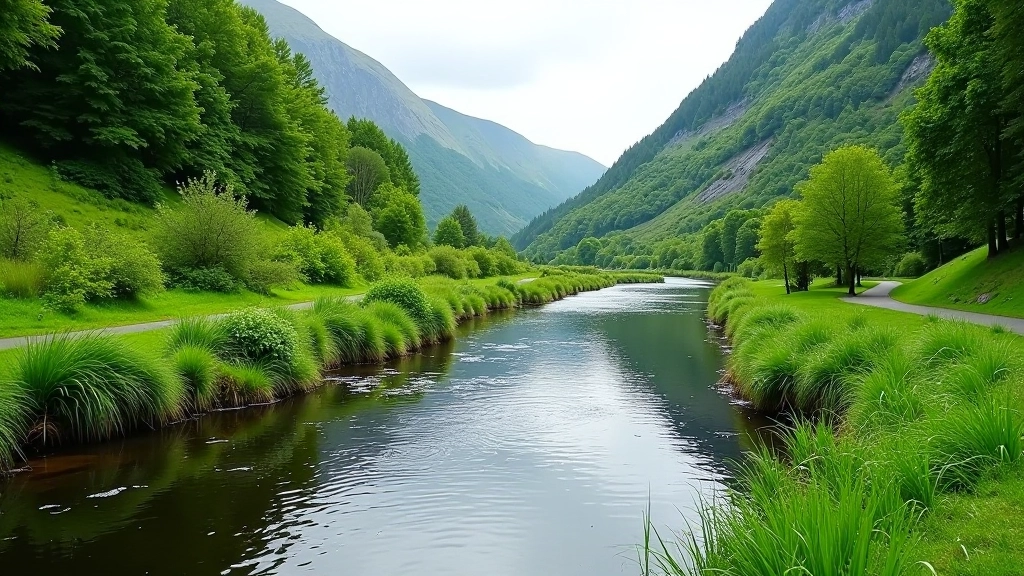
The Avonbeg trail is different — you're following the river itself, so the path is naturally shaded by trees. This means rest spots here are cooler and more sheltered from sun exposure, which matters if you're walking in summer.
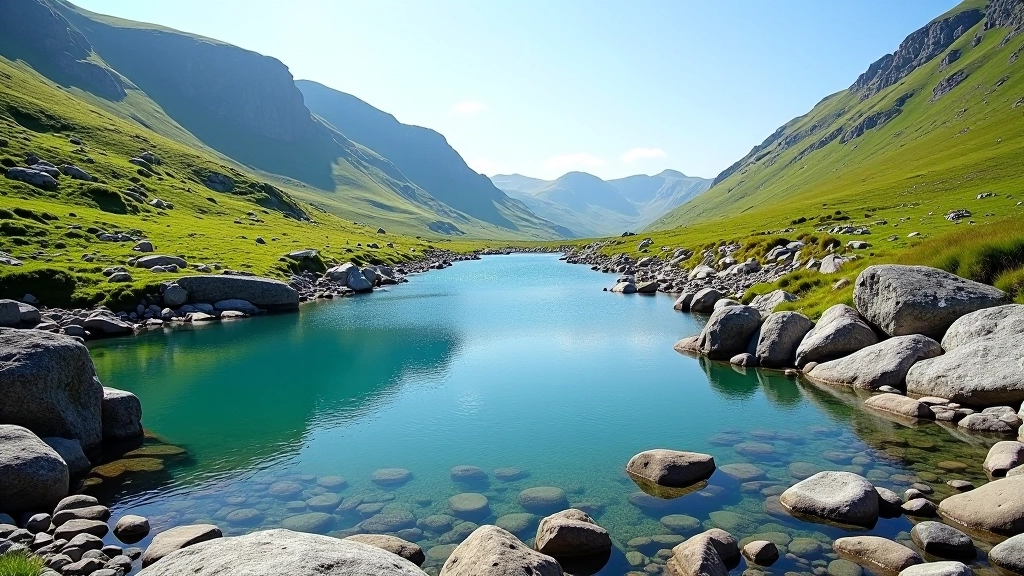
There's a particularly good stop about 3km in where the river widens slightly and creates a small natural pool. The banks are accessible, and you can actually get close to the water to splash your face or refill a bottle. People often sit on the flat rocks here, and there's enough space that you don't feel cramped.
What we like about this section is it's genuinely quiet. You might see one or two other walkers in a whole day. The sound of the river covers up any wind noise, so even on blustery days, these stops feel peaceful. That matters when you're taking a proper break — you want to actually relax, not just catch your breath.
Corrie Lake Approaches: Scenic Viewpoint Stops
The walks approaching the corrie lakes don't have marked benches, but there are natural stopping points where the landscape opens up. These are the spots you stop at for photos, but they're equally good for resting because the views are worth staying a bit longer.
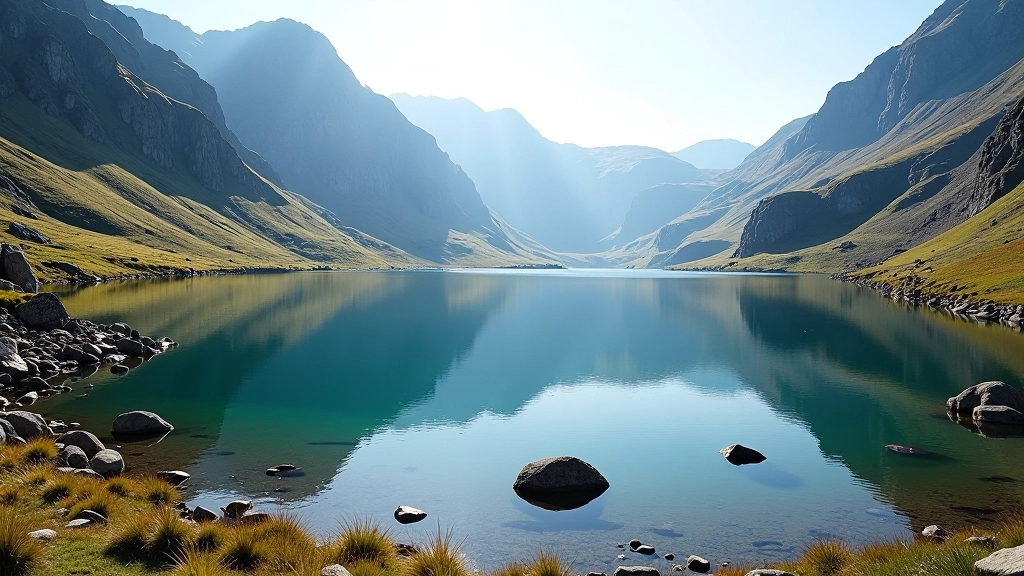
Around 2.5km in on most corrie routes, you'll reach a flatter section where the valley widens. This is where you get the first clear view of the lake itself. It's a natural pause point — people stop here anyway, so you're not interrupting your rhythm to find somewhere to rest.
These viewpoint stops don't have shelter, so they're best used on days with decent weather. But on clear days, the views are exceptional. You're looking at the glacial formation, the lake water, and mountains that seem to go on forever. It's the kind of spot that reminds you why you walked up here in the first place.
Pro Tip for Longer Walks
If you're doing the extended routes (5+ hours), don't skip early rest stops just because you feel good. A 10-minute stop at the 2-hour mark means you'll have energy for the second half. Your legs will thank you.
Practical Details: What to Bring and Expect
Water and Hydration
Most stops have access to streams or the river itself. Bring a water bottle you can refill. Don't rely on this completely — carry enough to last between stops if you're unsure about access.
Weather Protection
Mountain weather changes quickly. Even if it's sunny when you start, bring a lightweight rain jacket. The sheltered spots help, but they're not fully enclosed. A jacket keeps you warm when you stop moving.
Food and Snacks
Rest stops are where you refuel. Bring proper snacks — nuts, energy bars, sandwiches. Don't wait until you're exhausted to eat. A proper 15-minute stop with food makes a huge difference in how you feel for the rest of the walk.
First Aid Basics
Carry blister treatment, pain relief, and bandages. Blisters often develop during walking, and a stop at a good spot is when you notice them. Deal with it early before it ruins the rest of your walk.
Important Information
The information provided here is based on current conditions and general hiking knowledge. Mountain environments change seasonally. Weather, path conditions, and water availability vary throughout the year. Always check current weather forecasts and trail conditions before heading out. If you're new to hillwalking or have any health concerns, consider walking with a guide or experienced group. This guide is informational — circumstances vary, and conditions change.
Rest Stops Make Better Walks
Here's what we've learned after years of hiking these trails: the best walks aren't the ones where you push hard the whole way. They're the ones where you stop properly, look around, eat something, and let your body recover before moving on. Knowing where those stops are — having a plan — changes everything.
Glenmalure's sheltered spots work well for variable weather. Avonbeg's riverside stops are perfect for quiet days when you want peace. The corrie viewpoints are worth the climb. Pick your route based on what you need that day, know where you'll rest, and you'll enjoy the whole experience more.
You're not in a race up a mountain. You're out in one of Ireland's best landscapes, and the stops along the way are part of the whole thing. Enjoy them.

Related Articles